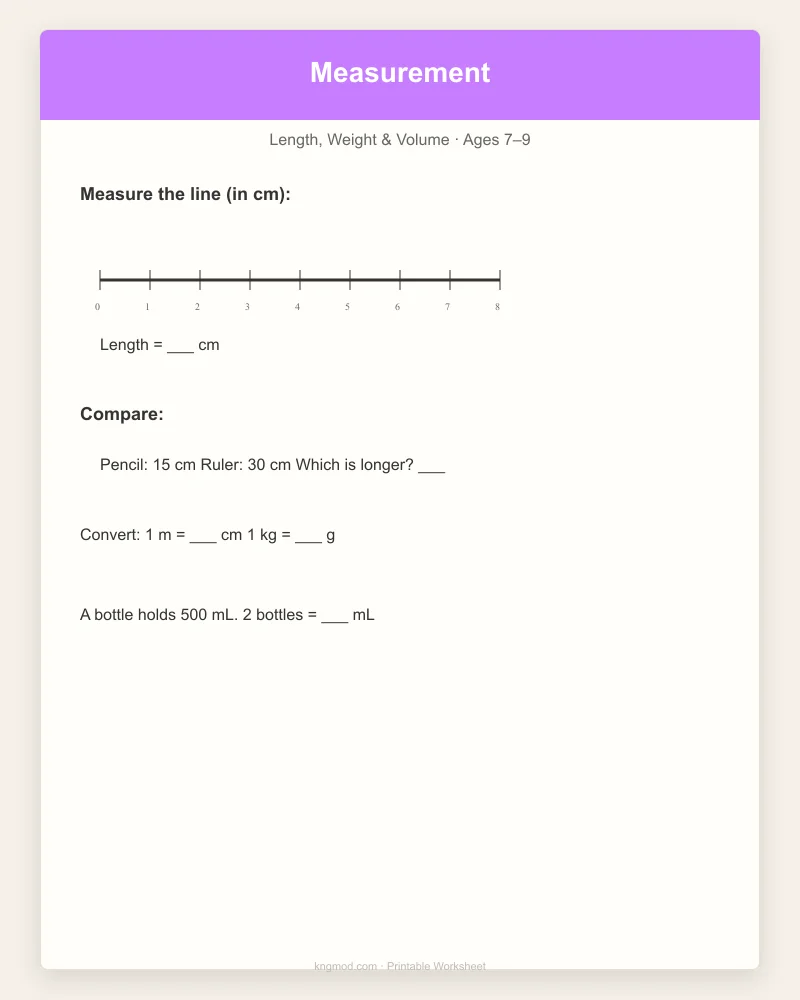
Measurement Masters — Length, Weight & Volume
$2.99
- 10 printable worksheet pages
- Length, weight, and volume basics
- Customary and metric practice
- Everyday measuring-tool visuals
Purchase details
- Pages: 10 printable worksheet pages matched to this product
- Format: Instant PDF download after successful payment
- Printing: Print at home as many times as you need for your household or classroom
- Delivery: Instant download page after Paddle checkout (plus receipt email)
- Refunds: Digital download — non-refundable once purchased
- License: Personal and classroom use only (no resale or redistribution)
🔒 Secure Paddle checkout · 📄 10-page PDF · ❌ Non-refundable digital item
Description
Before measuring anything, ask for an estimate. A child who guesses that a pencil is three feet long has just shown you more than a neatly copied conversion ever could.
Measurement Masters is a 10-page PDF for ages 7–9, covering length, weight, and volume in customary and metric units. Learners measure line segments in inches and centimetres, compare weights, estimate liquid amounts, and work with conversion tables. Rulers, scales, and measuring cups appear throughout, connecting the written questions with tools children recognise.
Recipe ingredients and road-trip distances give the word problems a useful sense of scale. A measuring cup belongs in one situation; miles belong in another. Hands-on suggestions using household objects let children test those distinctions away from the paper, while conversion exercises provide focused numerical practice.
Reference charts appear on every page, and unit-conversion posters are included with the answer keys. That repeated chart is deliberately handy: using a reference correctly is part of learning measurement, not a shortcut. You can cover it later when you want to check recall.
Print a small group of pages for a measurement unit, or pair one worksheet with the real tool it shows. If possible, let the child pour water into a measuring cup before estimating volume on paper; a slightly damp counter tends to make millilitres more memorable. The digital pack can be printed again for review or for another learner.
You Might Also Like
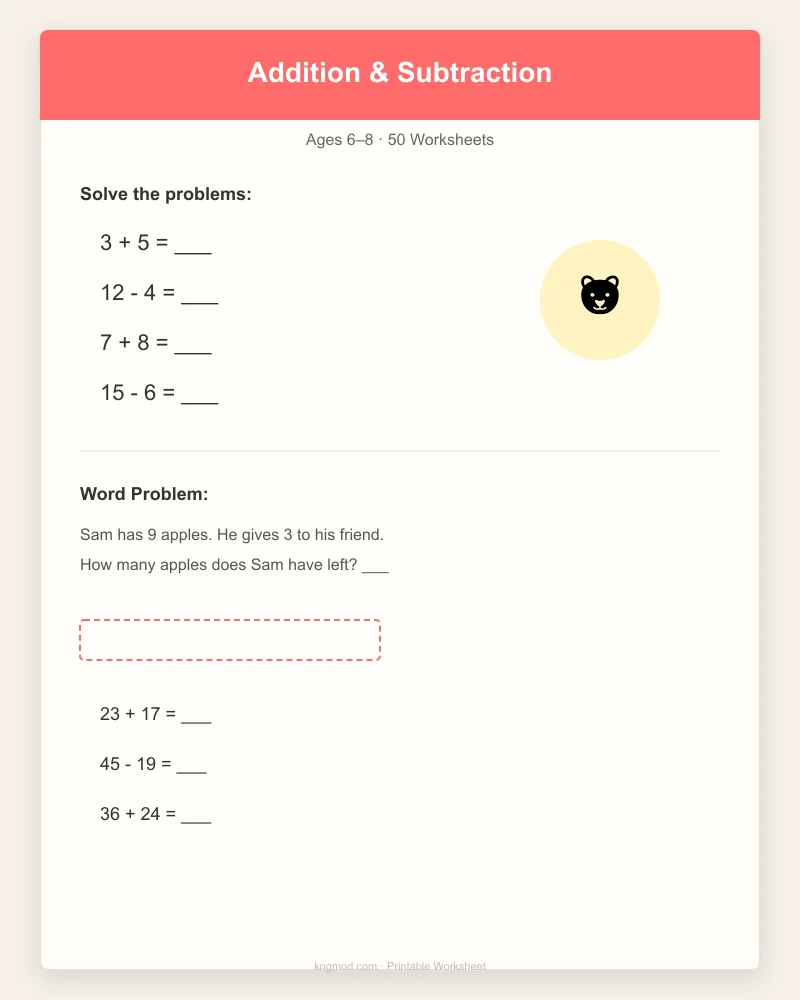
Addition & Subtraction Fun Pack — 10 Printable Pages
10 printable pages
$2.99
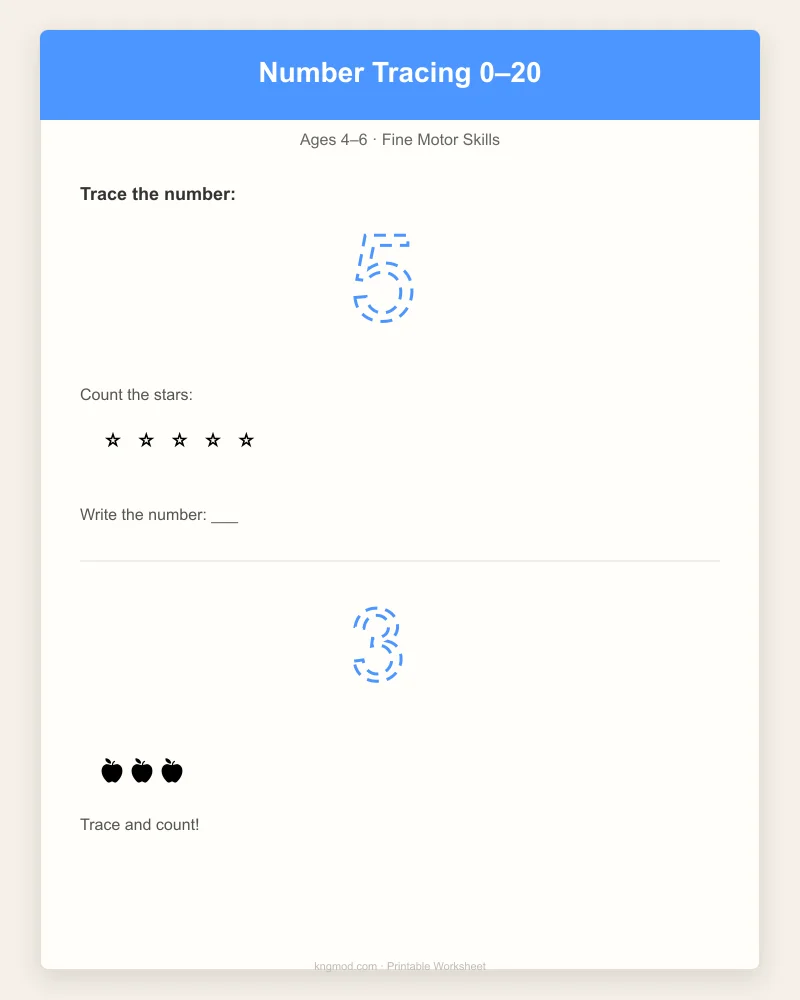
Number Tracing Adventure — Learn to Write 0–20
10 printable pages
$1.99
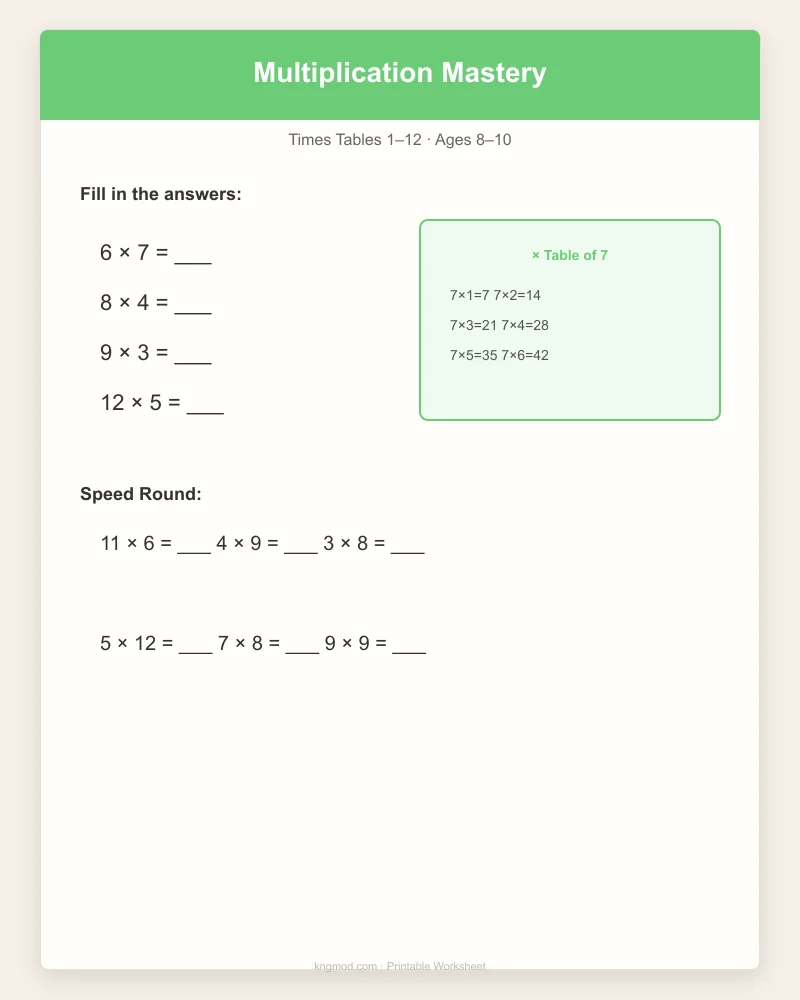
Multiplication Mastery Sheets — Times Tables 1–12
10 printable pages
$3.49
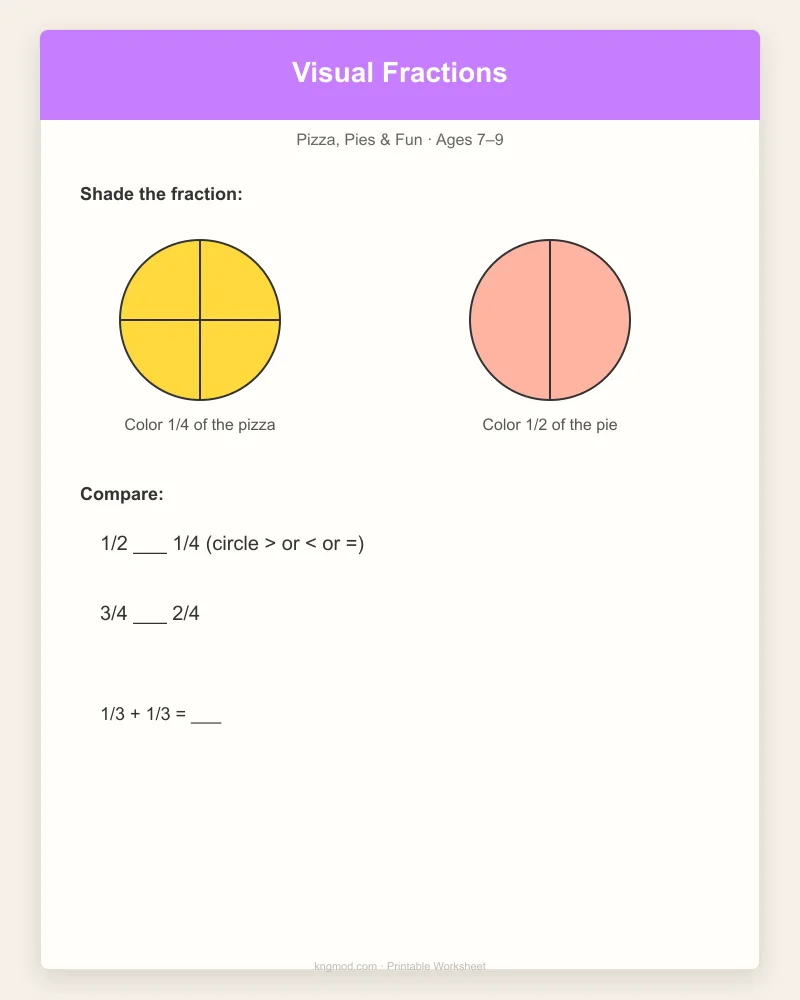
Visual Fraction Explorer — Pizza, Pies & Fun Fractions
10 printable pages
$2.49